Dugong Andaman: Complete Guide to the Rare Dugong Sea Cow in Andaman Islands
The Andaman and Nicobar Islands are famous for crystal-clear beaches, coral reefs, and rich marine life. Among the rarest marine organisms found here is the dugong andaman, also known as the dugong sea cow. This peaceful marine mammal is the state animal of the islands and is protected as an endangered species.
The dugong andaman is loved for its calm behavior and slow movement in shallow coastal waters. Often called the “lady of the sea,” this rare species survives mainly in protected seagrass habitats around South Andaman and the Ritchies Archipelago.
At Andaman Travel Care, we believe travelers should also explore the natural and wildlife side of the islands. To explore more about dugong Andaman, contact us today.
Dugong Andaman: What Makes This Rare Marine Mammal Special?
Why Dugong Andaman Is Called the Dugong Sea Cow
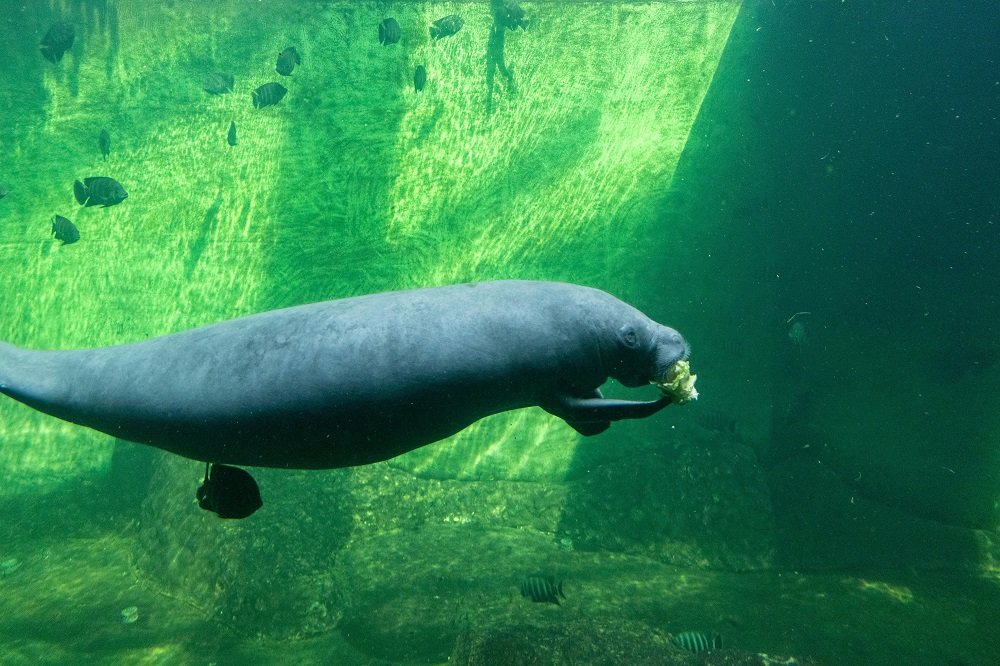
The dugong sea cow gets its name because of its feeding habits. Just like cows graze on grass on land, dugongs feed on underwater seagrass beds. Cows because their diet is fully plant-based, dugongs are commonly known as sea cows. The dugong andaman spends most of its day eating seagrass from the ocean floor. Their diet consists mainly of underwater vegetation, including the roots, leaves, and stems of seagrass plants. This feeding habit plays an important role in maintaining healthy marine ecosystems. Dugongs naturally trim seagrass growth and help balance marine biodiversity in coastal waters.
Dugong Fish or Marine Mammal? Understanding the Difference
Many travelers search for dugong fish, but dugongs are not fish at all. They are herbivorous mammals that breathe air and give birth to live babies. Unlike fish, the dugong in andaman comes to the surface regularly for oxygen. Female dugongs also feed milk to their calves, which is a key characteristic of mammals. The dugong sea cow belongs to the Sirenia family and is closely related to manatees. Their peaceful nature and slow movement make them one of the gentlest marine mammals in the world.
Physical Features of Dugong in Andaman
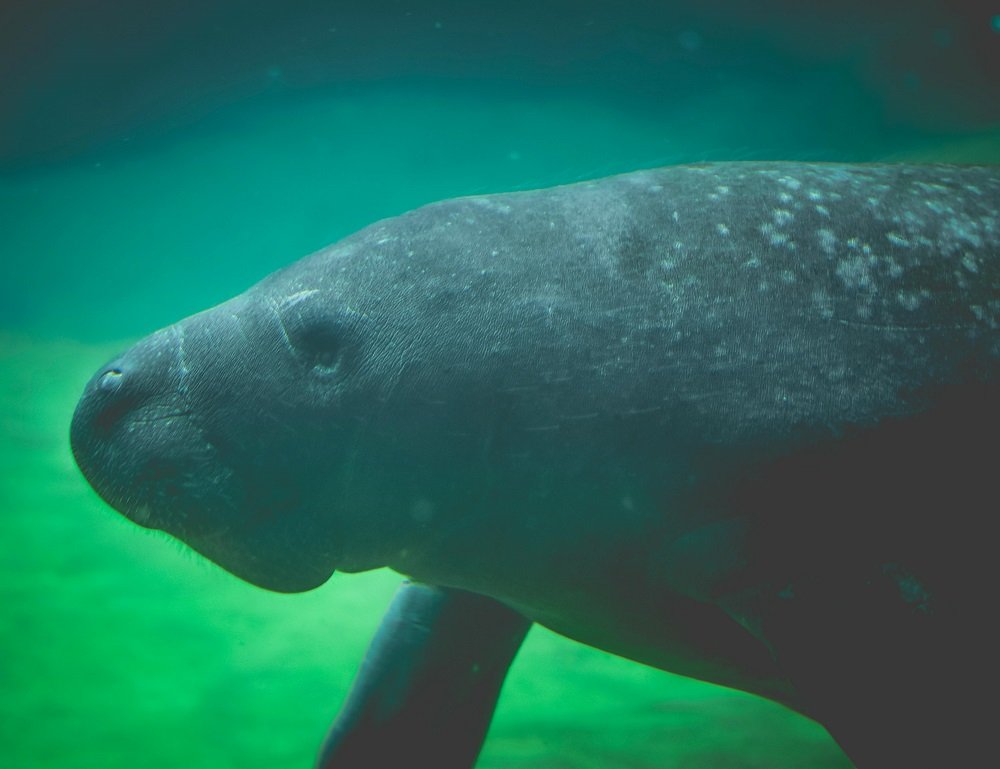
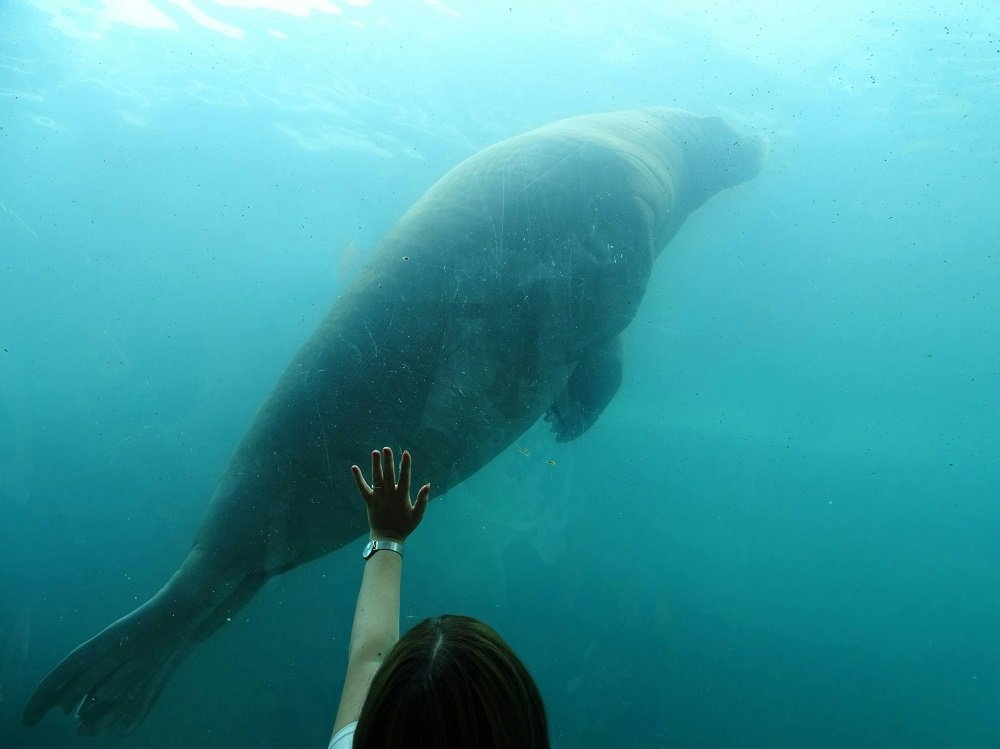
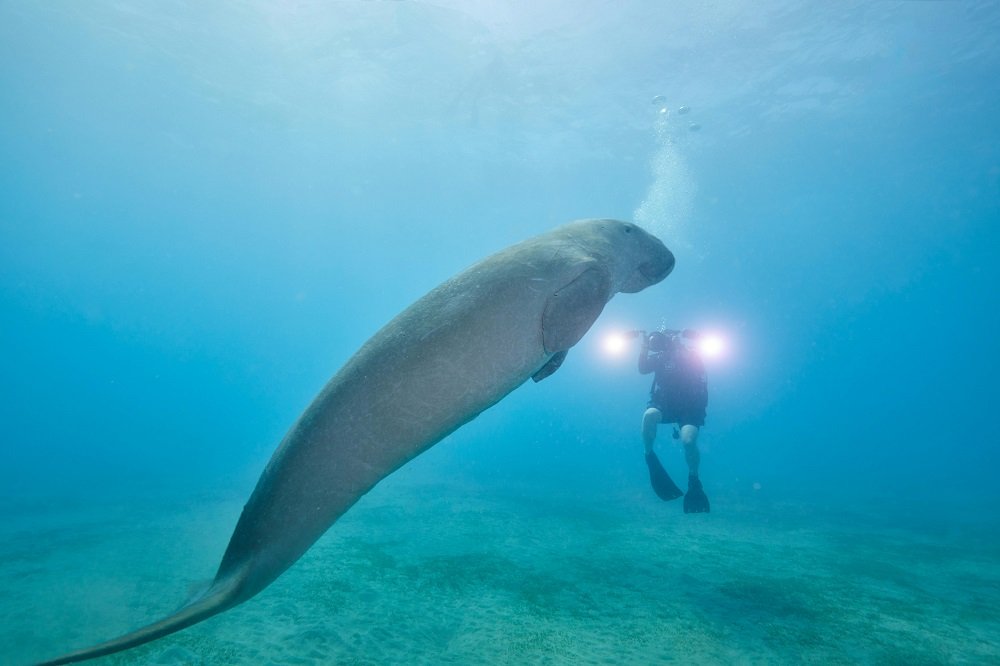
The dugong andaman has a large grey body with smooth skin and paddle-like flippers. It also has a tail similar to a dolphin, which helps it move slowly through shallow waters. An adult male dugong can grow up to three meters in length and weigh several hundred kilograms. Even though they are large animals, dugongs are harmless and shy by nature. These marine mammals are often called the “lady of the sea” because of their graceful swimming style and calm underwater movements.
Lifespan and Reproduction of Dugong Sea Cow
One interesting fact about the dugong sea cow is its long lifespan. Dugongs can survive for a lifespan of 70 years if their habitats remain safe and protected. Female dugongs give birth to one calf after a long pregnancy period. Young dugongs stay close to their mothers for several years while learning feeding and survival habits. Because the species reproduces slowly, population recovery becomes difficult once the numbers decline. This is one major reason why dugongs are considered an endangered species.
Dugong Habitats in Andaman: Where Can Dugongs Be Found?
Dugong Habitats in South Andaman Coastal Waters
The coastal waters of South Andaman are among the most important dugong habitats in India. These shallow waters have healthy seagrass beds that provide food and shelter for dugongs. The dugong in andaman prefers calm lagoons, bays, and protected coastal regions where water currents are not very strong. These locations offer safe feeding grounds and resting areas. Marine researchers regularly monitor dugong populations in South Andaman because this region remains one of the strongest habitats for the species.
Dugong Andaman Sightings in Ritchies Archipelago
The Ritchie’s Archipelago is another important region where dugongs are occasionally spotted. The island group has clear waters and rich seagrass ecosystems. The dugong sea cow survives best in peaceful coastal areas with low human disturbance. The marine ecosystem around the Ritchies Archipelago supports many marine organisms, including dugongs and sea turtles. Travelers visiting nearby islands may not always see a dugong because these animals avoid noisy and crowded areas.
Importance of Seagrass for Dugong Fish Survival
Seagrass beds are extremely important for the survival of the dugong fish. Dugongs completely depend on seagrass for food and nutrition. Their diet consists mainly of underwater plants, including the roots of seagrass species growing on the ocean floor. Dugongs pull out the grass while feeding, which naturally improves nutrient circulation in marine ecosystems. Healthy seagrass beds also support other marine organisms and improve water quality in coastal regions.
Why Warm Waters Support Dugong in Andaman
The warm tropical waters of the Andaman and Nicobar Islands create the perfect environment for dugongs. These marine mammals cannot survive in cold temperatures for long periods. The dugong andaman prefers shallow coastal waters where sunlight supports seagrass growth. Calm waters also help young dugongs move safely with their mothers. Because of these favorable environmental conditions, the Andaman region remains one of the few places in India where dugongs still survive naturally.
Dugong Sea Cow Conservation in Andaman and Nicobar Islands
Why Dugong Andaman Is an Endangered Species
The dugong andaman is currently listed as an endangered species because its population has reduced significantly over the years. Habitat destruction and human activities are the biggest threats to dugongs. Large scale coastal development projects damage seagrass beds and reduce safe feeding areas for dugongs. Pollution and illegal fishing activities also affect their survival. Without proper protection, the dugong sea cow population may continue to decline in the future.
Fishing Nets and Boat Accidents Affect Dugong Fish
Fishing activities are one of the major dangers for the dugong fish population. Dugongs often become trapped in fishing nets while searching for food. Since dugongs need to breathe air, trapped animals may drown underwater. Fast-moving tourist boats can also injure dugongs in shallow coastal waters. These threats have greatly affected dugong habitats across many parts of the Andaman Islands.
Pollution and Habitat Damage in Dugong Habitats
Marine pollution is another serious problem affecting the dugong in andaman. Plastic waste, oil spills, and water pollution damage seagrass ecosystems. When seagrass beds are destroyed, dugongs lose their primary food source. Polluted waters also affect the health of other marine organisms living in coastal ecosystems. Conservation experts now focus heavily on protecting marine habitats and reducing pollution in sensitive coastal regions.
Conservation Programs Protecting Dugong Sea Cow
Several wildlife organizations and marine conservation groups are working to protect the dugong sea cow in India. Protected marine zones are being created to preserve seagrass habitats. Research teams regularly study dugong movement, feeding behavior, and breeding patterns in the Andaman Islands. These studies help experts create better conservation plans. Awareness programs also educate local communities and fishermen about the importance of protecting dugongs and marine ecosystems.
Andaman Island Tour Packages
Andaman Island Sightseeing



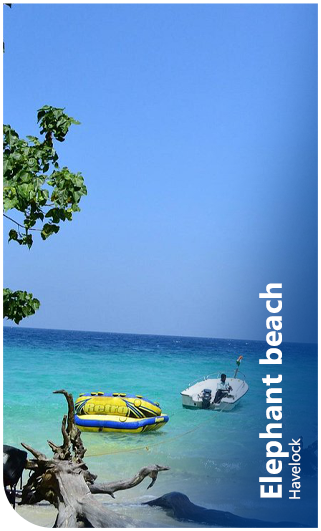
Dugong in Andaman Tourism and Wildlife Awareness
Eco Tourism and Responsible Travel in Andaman
Eco tourism is becoming increasingly important for protecting the dugong andaman and its natural habitats. Responsible travel helps reduce environmental damage in sensitive marine ecosystems. At Andaman Travel Care, we encourage travelers to follow eco-friendly practices while exploring the islands. Avoiding plastic waste and respecting marine life can help preserve coastal habitats. Responsible tourism also creates awareness about rare marine species found in the Andaman Islands.
Why Dugong Sea Cow Is Important for Marine Ecosystems
The dugong sea cow plays a very important role in maintaining healthy seagrass ecosystems. Their feeding behavior naturally controls underwater vegetation growth. Healthy seagrass beds support fish populations, improve water quality, and provide shelter for many marine organisms. Dugongs indirectly help maintain this balance. Without dugongs, coastal ecosystems may slowly lose their natural balance over time.
Wildlife Awareness Among Travelers
Many travelers visit the Andaman Islands only for beaches and water sports. However, wildlife awareness is equally important for protecting the region’s natural beauty. Learning about rare species like the dugong fish helps visitors understand the importance of marine conservation. Tourism businesses, local communities, and travelers all play an important role in protecting endangered marine life in the islands.
Future of Dugong Andaman Conservation
The future of the dugong andaman depends on strong conservation efforts, responsible tourism, and public awareness. Protecting seagrass beds and reducing pollution are necessary steps for survival. If conservation programs continue successfully, dugong populations may slowly recover in the coming years. The dugong sea cow remains one of the most valuable marine species of the Andaman and Nicobar Islands and deserves long-term protection for future generations.

Water Activities In Andaman
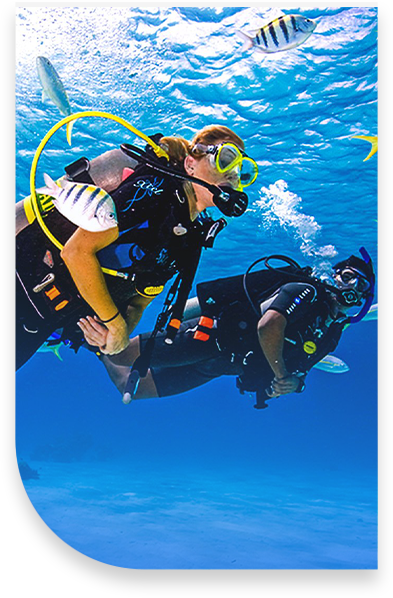
SCUBA
₹3499 per person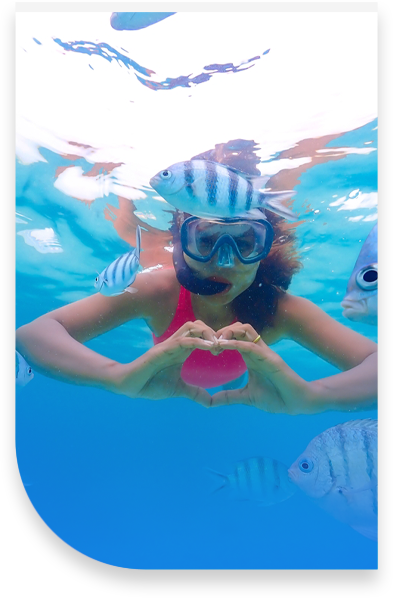
SNORKELING
₹1199 per person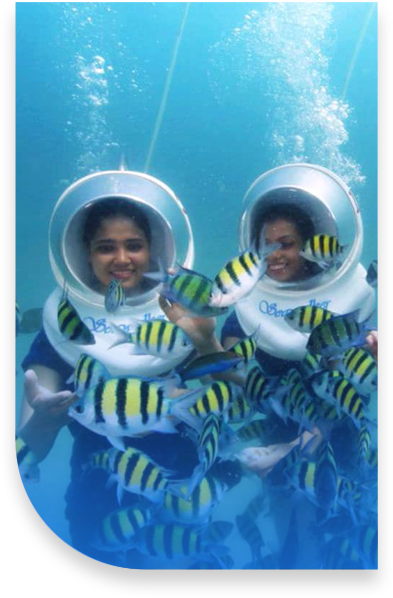
SEAWALIK
₹3499 per person
PARASAILING
₹2999 per person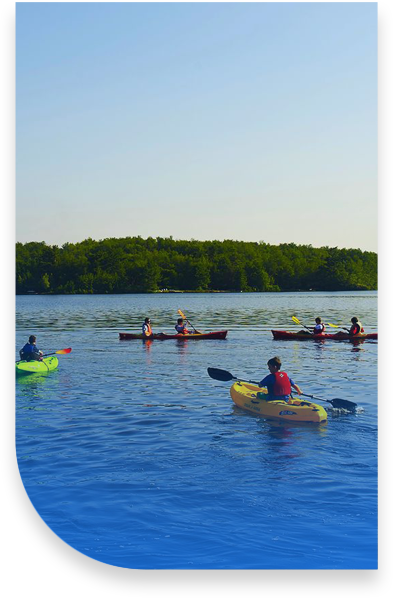
KAYAKING
₹3499 per personJETSKI
₹599 per personWhy Choose Andaman Travel Care for Dugong Andaman Tours?
- Local experts with strong knowledge of dugong andaman tourism and island travel experiences
- Customized Andaman tour packages for couples, families, solo travelers, and nature lovers
- Trusted travel assistance for hotels, ferry bookings, airport transfers, and sightseeing
- Special focus on eco-friendly tourism and protection of dugong habitats
- Easy travel planning for South Andaman, Ritchies Archipelago, and nearby islands
- Budget-friendly Andaman holiday packages with personalized travel support
- Experienced team helping travelers explore marine organisms and coastal attractions responsibly
- Quick customer support before, during, and after your Andaman trip
- Smooth and hassle-free island travel experience with local guidance
- Dedicated to promoting responsible tourism in the Andaman and Nicobar Islands
Dugong Andaman: Protecting the Rare Sea Cow of Andaman Islands
The dugong andaman is one of the rarest marine mammals found in the Andaman and Nicobar Islands. Known as the dugong sea cow and the “lady of the sea,” this endangered species is important for maintaining healthy seagrass ecosystems and marine life balance. Protecting dugong habitats in South Andaman and nearby islands is essential for its survival. At Andaman Travel Care, we promote responsible tourism that helps travelers explore the beauty of the islands while supporting marine conservation.
FAQs
What is dugong andaman and why is it famous in the Andaman and Nicobar Islands?
The dugong andaman is a rare marine mammal found in the coastal waters of the Andaman and Nicobar Islands. It is famous because it is the state animal of the islands and is also known as the dugong sea cow or “lady of the sea.”
Where can travelers spot dugong in andaman islands?
The dugong in andaman is mainly found in shallow coastal waters of South Andaman, Little Andaman, and the Ritchies Archipelago where healthy seagrass beds are present.
Why is the dugong sea cow called the sea cow of Andaman?
The dugong sea cow is called a sea cow because its diet consists mainly of seagrass, including the roots, leaves, and stems, similar to how cows graze on grass on land.
Is dugong fish actually a fish or a marine mammal?
The dugong fish is not a fish. It is one of the rare herbivorous mammals that lives in warm marine waters and breathes air like other mammals.
What do dugong andaman animals eat in the Andaman Sea?
The dugong andaman mainly feeds on seagrass found in shallow coastal waters. Their diet consists of underwater vegetation and marine plants growing on the seabed.
Why is dugong in andaman considered an endangered species?
The dugong in andaman is considered an endangered species because of habitat destruction, pollution, fishing net accidents, and loss of seagrass ecosystems in coastal regions.
Which are the most important dugong habitats in Andaman and Nicobar Islands?
Important dugong habitats in the Andaman and Nicobar Islands include South Andaman coastal waters, Little Andaman, and the Ritchies Archipelago due to their rich seagrass ecosystems.
How long is the lifespan of dugong sea cow in Andaman waters?
The dugong sea cow can survive for a lifespan of 70 years when protected from pollution, habitat damage, and harmful fishing activities.
Why are seagrass beds important for dugong fish survival in Andaman?
Seagrass beds are important because the dugong fish completely depends on seagrass for food. Healthy seagrass ecosystems help dugongs survive and maintain marine biodiversity.
Can tourists see dugong andaman during Andaman island tours?
Tourists may occasionally spot dugong andaman in protected shallow coastal waters, but sightings are rare because dugongs are shy animals that avoid crowded areas.
What makes South Andaman important for dugong conservation?
South Andaman is important for dugong conservation because it has calm coastal waters and healthy seagrass beds that support feeding and breeding activities of dugongs.
Why is the dugong sea cow known as the lady of the sea?
The dugong sea cow is called the lady of the sea because of its gentle behavior, peaceful nature, and smooth swimming movements in shallow marine waters.
How do marine conservation programs protect dugong in andaman?
Marine conservation programs protect dugong in andaman by preserving seagrass habitats, reducing pollution, creating protected marine zones, and spreading awareness among local communities.
What role does dugong andaman play in the marine ecosystem?
The dugong andaman helps maintain healthy seagrass ecosystems by naturally controlling underwater vegetation growth and supporting the balance of marine organisms.
Why should travelers choose eco-friendly tourism while exploring dugong habitats in Andaman?
Eco-friendly tourism helps reduce pollution and protects dugong habitats from environmental damage. Responsible travel also supports marine conservation efforts in the Andaman and Nicobar Islands.